
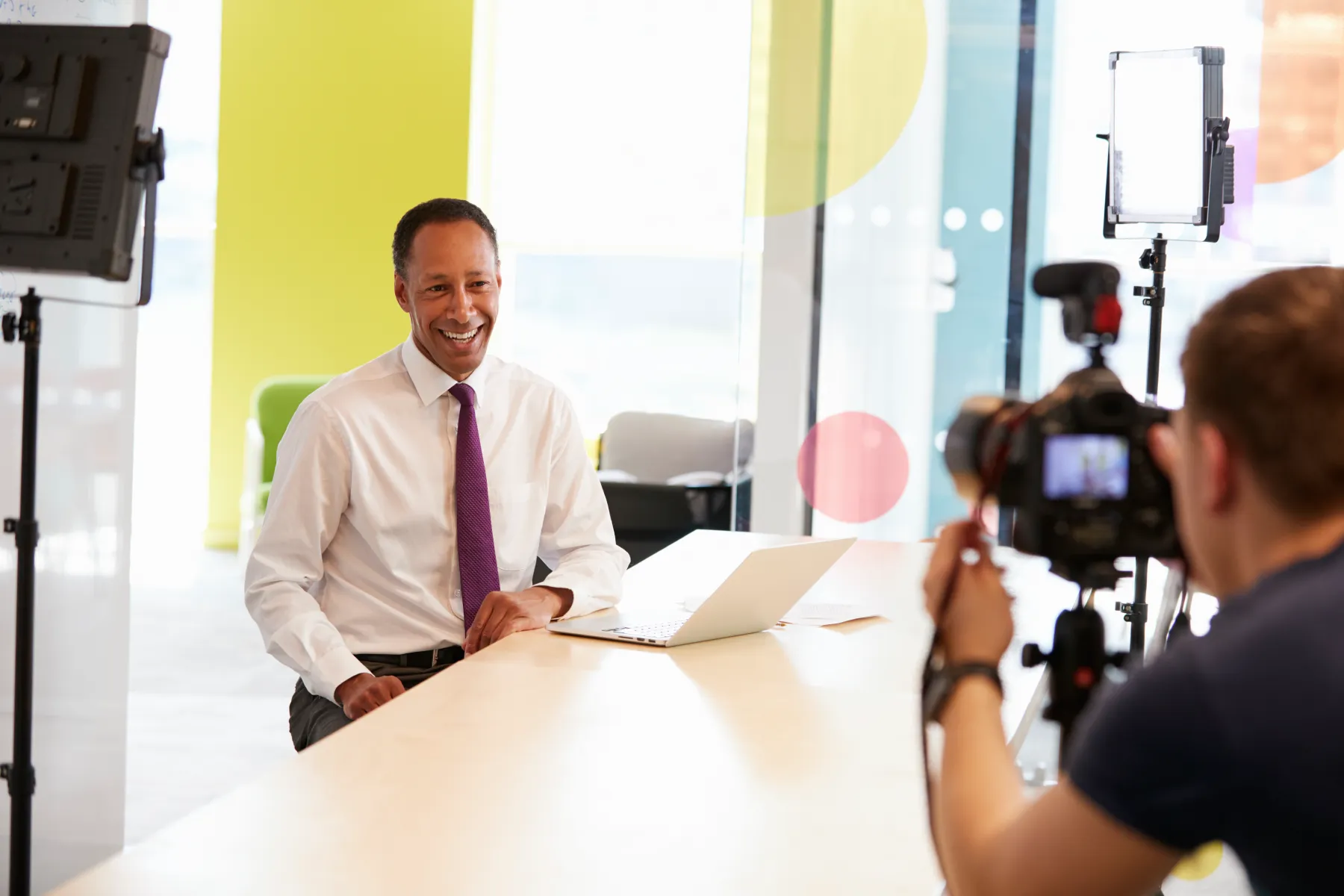
Corporate video production in Singapore looks sleek on the surface, with glass towers, biotech labs, and fintech dashboards glowing in dark boardrooms.
But behind every polished brand film lies a reality most clients never see: tropical lighting chaos, unforgiving compliance rules, and technical standards that separate enterprise-ready vendors from hobbyists.
If you’re commissioning or producing a corporate video in Singapore, two things can quietly destroy your project: color accuracy mistakes and GeBiz compliance failures.
Table of Contents
Why Color Accuracy Is a Bigger Deal Than You Think
Singapore’s lighting conditions are brutal on cameras. Midday sun is harsh and blue, interiors mix warm fluorescents with LED panels, and golden hour shifts fast over Marina Bay. Without a disciplined workflow, your brand colors drift from premium to amateur in minutes.
REC.709 is still the gold standard for most corporate outputs, especially LinkedIn, broadcast, and enterprise internal displays. That means:
- D65 white point
- Delta E under 3
- Proper gamma alignment
- Calibrated monitors, not “it looks fine on my laptop.”
Yet many productions skip LUT discipline during compositing. When 3D overlays are added, data nodes, biotech molecules, fintech UI mockups, and colors often shift. The result?
- Data nodes glow strangely purple on mobile screens
- Skin tones look slightly green in office lighting
- Product packaging appears washed out
- Brand reds drift toward orange
On iPhones and MacBooks (which often lean toward P3 gamut displays), these inconsistencies become painfully obvious.
That’s why serious corporate video production in Singapore starts before filming.
Quick Fixes That Prevent Expensive Redos
- Calibrate monitors pre-production
Lock every monitor to 100% REC.709. Not “close enough.” Properly calibrated.
- Test 3D PBR textures on Apple devices
Singapore executives review cuts on iPhones during commutes. If it fails there, it fails everywhere.
- Use hardware LUTs during hybrid live/3D shoots
This is critical. Hardware LUTs prevent live footage and 3D composites from drifting apart. Without them, you risk the dreaded “Marina Bay turns orange at sunset” problem.
- Deliver dual exports
- REC.709 master for LinkedIn, YouTube, broadcast
- DCI-P3 export for premium enterprise screens and boardroom displays
When these are done right, color feels invisible. When it is done wrong, it screams.
GeBiz Compliance: The Silent Killer of 70% of Tenders
If you are aiming for government projects, creativity is only half the battle. GeBiz Compliance kills nearly 70% of government video tenders before the creative pitch is even read.
Singapore’s e-procurement portal is strict. To even stand a chance, a vendor must be registered (keep an eye out for that registration format: #2023123456) and possess an IMDA Class Licence. Beyond the paperwork, the financial bar is high; you often need three years of audited financials just to get through the door.
When partnering with a lead, the first question shouldn’t be about his camera. It should be about his registration status.
The Gov-Project Checklist:
- Verify Registration Upfront: Don’t waste weeks on a proposal if the vendor isn’t GeBiz-ready.
- IMDA Accreditation: This is essential for any project involving EnterpriseSG or IMDA.
- The Audit Trail: In the world of government work, your “process” is as important as your “product.” Archive every storyboard and all three mandatory feedback rounds for potential audits.
- The Compliance Buffer: Budget an extra 15–20% of your timeline purely for paperwork. Tender deadlines are absolute; “the internet was slow” won’t get you an extension.
Content Strategy: Beating the “Three Killers”
In 2026, the market is shifting toward a “two-speed” strategy. You need punchy, 15-second vertical clips for reach, but you still need those “anchor” videos to build trust.
The most effective way to position a brand in Singapore is to show you understand both the tech and the bureaucracy.
A perfect example of “Content Gold” is a Thursday 2 PM SGT carousel post titled: “3 Corporate Video Killers: Color Drift, GeBiz Fails, and Audio Sync.”
This doesn’t just show off a portfolio; it positions the production team as an enterprise-ready partner. It tells the client:
“We won’t just make you look good; we’ll make sure your biotech molecule is the right shade of blue and your tender doesn’t get disqualified by a missing IMDA licence.”
Key Takeaways
- Color accuracy isn’t optional. Singapore’s tropical lighting shifts fast, and without proper REC.709 calibration (D65, Delta E <3), your brand colors will drift—especially once 3D elements are added.
- If it looks fine on one screen, that’s not enough. Always test exports on iPhones, MacBooks, and enterprise displays. Mobile review is the default in Singapore.
- Hardware LUTs save reputations. They lock color consistency during hybrid live + 3D shoots and prevent disasters like skyline shots turning orange at sunset.
- Deliver dual exports. REC.709 for LinkedIn, YouTube, and broadcast. DCI-P3 for premium boardrooms and enterprise environments.
- Most government video tenders fail before creative review. Registration and documentation matter as much as the showreel.
- GeBiz compliance is non-negotiable. Vendors must be properly registered on GeBIZ before even thinking about submitting.
- IMDA accreditation can make or break bids. Projects linked to Infocomm Media Development Authority or EnterpriseSG require proper licensing and documentation.
- Archive everything. Storyboards, feedback rounds, revisions, and audits are real, and paperwork is mandatory.
- Budget extra time for compliance. Add 15–20% buffer for paperwork and approvals. Tender deadlines are strict.
- Enterprise-ready production = creative + bureaucracy. In Singapore, cinematic visuals win attention, but technical precision and compliance discipline win contracts.