
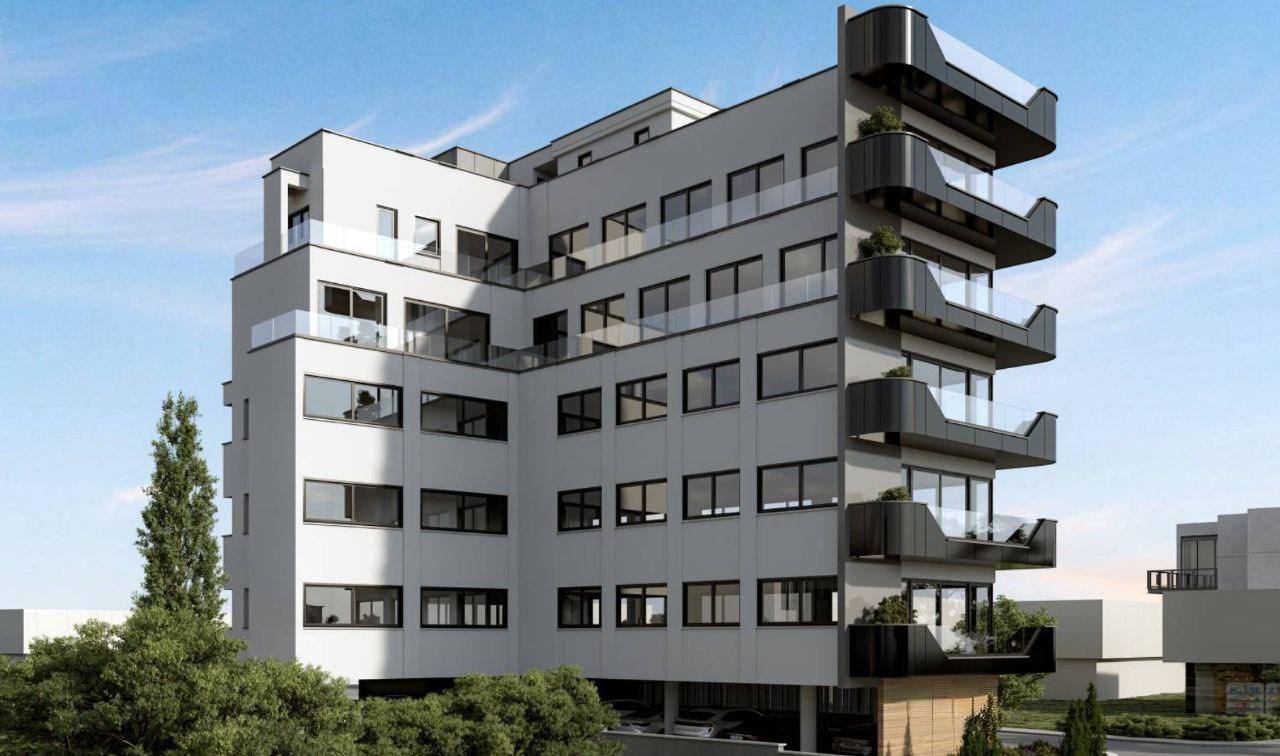
Installing a fence around a commercial property is about far more than simply marking boundaries. A well-designed fence serves multiple purposes: it protects valuable assets, improves safety, enhances privacy, and contributes to the overall presentation of the business. Whether the property is a warehouse, manufacturing facility, office complex, construction site, or logistics yard, the right fencing solution can make a significant difference to security and operational efficiency.
Before moving forward with installation, property owners and managers should carefully consider several important factors to ensure the fence performs its intended function and provides stainless steel tape measure long-term value.
Defining the Purpose of the Fence
The first and most important consideration is the primary purpose of the fence. Commercial fencing can serve a wide range of roles, and understanding the main objective will help guide design decisions.
Common purposes include:
- Preventing unauthorised access
- Protecting equipment, vehicles, or stock
- Creating a secure perimeter around hazardous areas
- Managing pedestrian or vehicle flow
- Enhancing privacy
- Improving the overall appearance of the property
For example, a high-security warehouse valuable inventory will require a very different fencing system compared with an office building that mainly needs visual boundary definition.
Choosing the Right Type of Fencing
Different commercial environments call for different fencing materials and designs. Selecting the most appropriate fencing type is essential for both performance and cost-effectiveness.
Common commercial fencing options include:
- Mesh fencing
- Palisade fencing
- Chain wire fencing
- Security fencing with anti-climb features
- Solid panel fencing for privacy
- Decorative steel or aluminium fencing
Each option has its own strengths depending on the required level of security and visibility. Businesses often evaluate the differences between various styles before deciding on the most suitable solution. For example, understanding the pros and cons of mesh vs palisade fencing can help determine whether visibility, strength, or deterrence is the priority for a particular site.
Security Requirements and Risk Assessment
Commercial properties often house valuable assets or sensitive operations, so security should be a major factor when planning a fence installation.
Consider the following security questions:
- Is the property located in a high-risk area?
- Does the site store expensive equipment or materials?
- Are there areas that require restricted access?
- Is the site unattended overnight?
If security is a key concern, features such as anti-climb designs, reinforced posts, controlled access gates, and additional security systems like cameras or lighting may be necessary.
A comprehensive risk assessment will help determine the appropriate height, material, and strength of the fence.
Height and Visibility Considerations
Fence height plays an important role in both security and compliance. Many commercial fences range between 1.8 metres and 3 metres in height depending on the level of protection required.
Higher fences provide stronger deterrence against intruders, but visibility should also be considered. In some environments, clear sightlines across the property boundary can improve safety and allow easier monitoring.
For example:
- Warehouse inventory tracking may benefit from high-security fencing.
- Industrial sites may require tall barriers to protect hazardous areas.
- Retail or office spaces might favour lower or more visually appealing fencing.
Balancing visibility with security is key to achieving the best outcome.
Access Points and Gate Design
A commercial fence is only as effective as its access control. Carefully planning the number and location of gates ensures smooth daily operations while maintaining security.
Important considerations include:
- Vehicle entry and exit points
- Pedestrian access areas
- Emergency access requirements
- Delivery and logistics routes
Automated sliding gates, boom gates, or keypad-controlled access systems are common solutions for commercial properties that need efficient yet controlled entry.
Compliance With Local Regulations
Commercial fencing must comply with local council regulations, zoning laws, and safety standards. Requirements can vary depending on location and property type.
Some factors that may be regulated include:
- Maximum fence height
- Materials used
- Boundary placement
- Visibility near road intersections
- Safety requirements around hazardous areas
Failing to meet these regulations can result in costly modifications or delays, so it is important to confirm compliance before installation begins.
Durability and Maintenance
Commercial fences must withstand constant exposure to the elements as well as potential wear and tear from everyday operations.
When choosing materials, consider factors such as:
- Resistance to corrosion and rust
- Strength against impact damage
- Weather durability
- Maintenance requirements
Galvanised or powder-coated steel fencing is commonly used in commercial environments because it provides strong protection against corrosion while requiring minimal upkeep.
Choosing durable materials reduces long-term maintenance costs and ensures the fence remains secure and presentable for years.
Integration With Other Security Systems
In many cases, fencing works best as part of a larger security system. Integrating the fence with other security technologies can significantly improve protection.
Common integrations include:
- CCTV surveillance systems
- motion sensor lighting
- alarm systems
- access control gates
- security patrol routes
A well-designed perimeter system ensures that the fence works alongside other measures to create a comprehensive security solution.
Aesthetic and Branding Considerations
While security is often the primary focus, appearance should not be overlooked. The perimeter of a commercial property is often the first thing visitors, customers, and potential clients see.
A professionally installed fence can enhance the visual appeal of a site while still maintaining security.
Businesses may choose fencing styles that align with their branding, such as:
- Modern architectural fencing for office complexes
- Clean, industrial designs for warehouses
- Decorative metal fencing for retail or hospitality spaces
Balancing functionality with visual appeal helps create a professional first impression.
Long-Term Planning and Scalability
Commercial properties often evolve over time. Expansions, new buildings, or operational changes may require adjustments to the fencing layout.
Planning for future growth can help avoid unnecessary costs later. Modular fencing systems and flexible layouts make it easier to expand or modify the perimeter if the property grows or operational needs change.
Final Thoughts
Installing a fence around a commercial property is a strategic decision that affects security, safety, operations, and appearance. By carefully considering factors such as fencing type, security requirements, access control, compliance, durability, and aesthetics, property owners can ensure their fencing system delivers lasting value.
A well-planned commercial fence does more than protect a property—it helps create a safer, more organised, and more professional environment for businesses, employees, and visitors alike.